
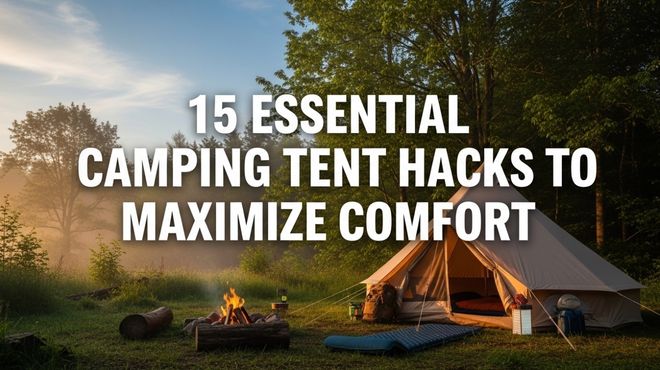
There is nothing like sleeping under the stars, but a tiny tent can sometimes feel a bit cramped. I always feel much happier when my camping spot feels organized and cozy rather than messy.
I love finding clever ways to turn a basic shelter into a comfortable home in the woods. Here are my favorite simple tricks to help you stay warm and relaxed on your next outdoor adventure.
Mark Guy Lines for Night Visibility
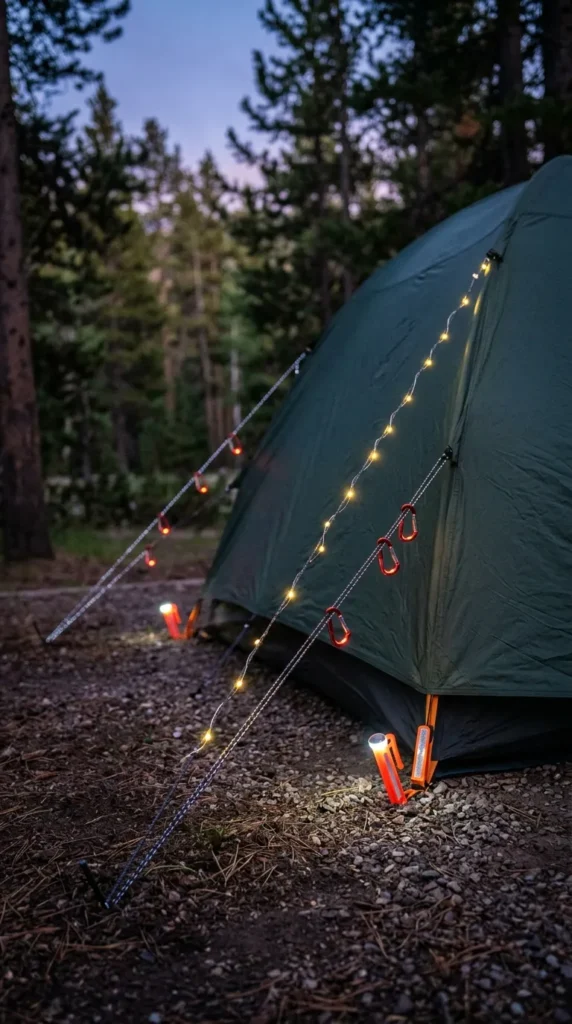
I have tripped over thin tent ropes more times than I can count. It is a very painful way to wake up in the middle of the night. I like to wrap small pieces of reflective tape or bright neon fabric around the lines.
It makes the ropes glow when you use a flashlight. This simple change helps you walk safely around your campsite after the sun goes down. It is a very smart way to prevent accidents and keep your tent standing tall.
Create an Entry Mat System for Dirt Control
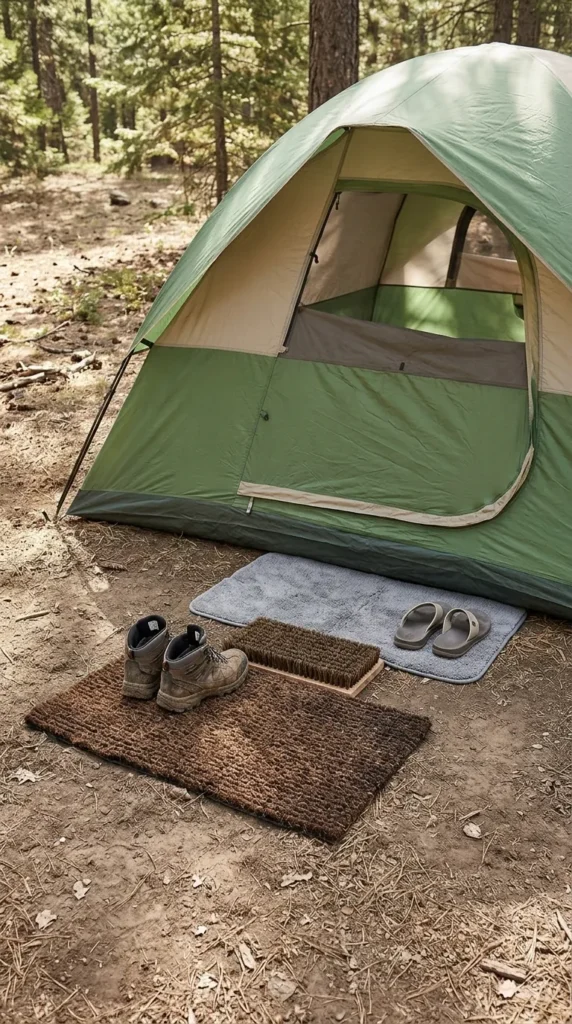
Keeping the inside of a tent clean is one of my biggest challenges while camping. I find that placing a small heavy mat right outside the door makes a huge difference.
It gives everyone a place to wipe their boots before stepping inside the sleeping area. I also like to keep a small tray just inside the zipper for muddy shoes. It is a very easy way to keep your bed free from sand and dry grass so you can sleep much better.
Use Solar-Powered Ambient Lighting
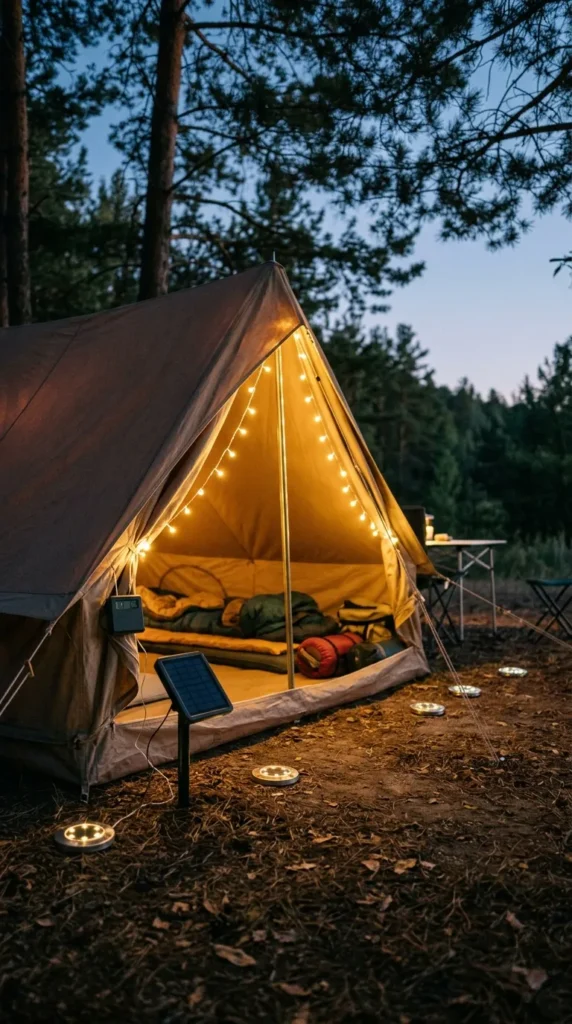
Flashlights are great for walking, but they can feel very harsh inside a small tent. I love hanging a string of solar-powered lights along the ceiling instead.
They charge in the sun all day and provide a soft, warm glow at night. It makes the space feel very cozy and inviting. I find that this gentle light is much more relaxing when you are reading a book or just winding down before sleep. It makes the woods feel like home.
Pre-Warm Sleeping Gear Before Bed
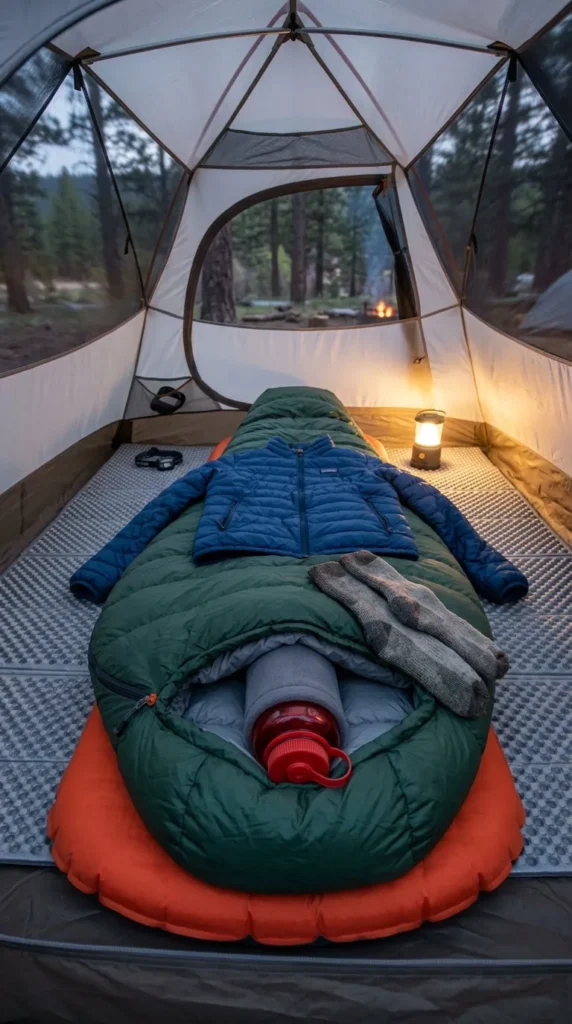
Getting into a cold sleeping bag is never a fun experience. I like to fill a sturdy water bottle with hot water and tuck it into the bottom of my bag about twenty minutes before I go to sleep.
It acts like a little heater for my feet. This trick keeps the whole bag warm for hours. It is a very simple and comforting way to make sure you stay toasty even if the temperature drops outside during the night.
Layer Insulation with Emergency Blankets
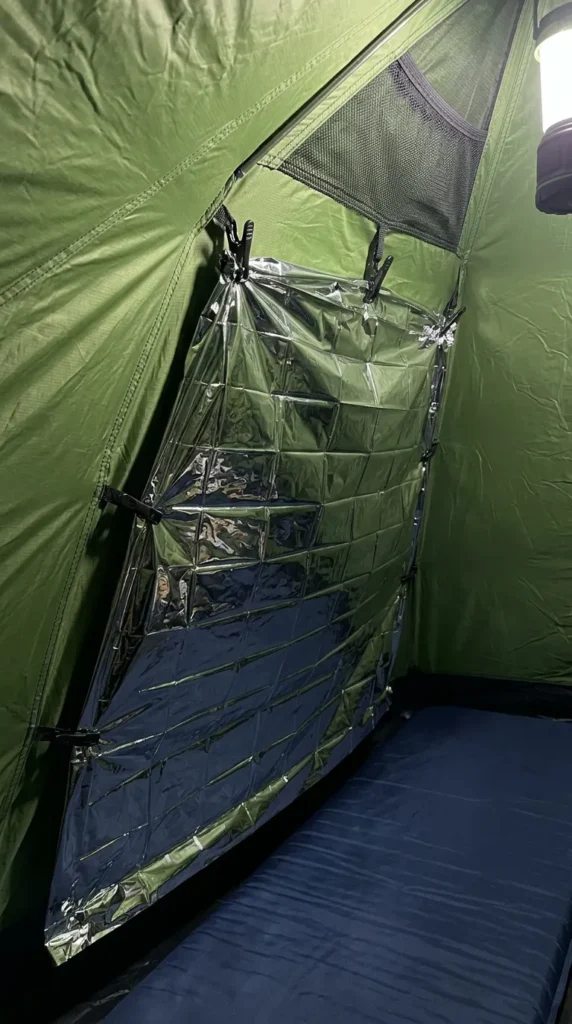
When the ground is very cold, it can pull the heat right out of your body. I find that taping a shiny emergency blanket to the floor of the tent helps a lot.
The silver material reflects your body heat back up toward you. I like to put it underneath my sleeping pad for an extra layer of protection. It is a very cheap and lightweight way to stay warm. It makes a big difference in how comfortable you feel when the night gets chilly.
Improve Cross-Breeze Airflow Setup
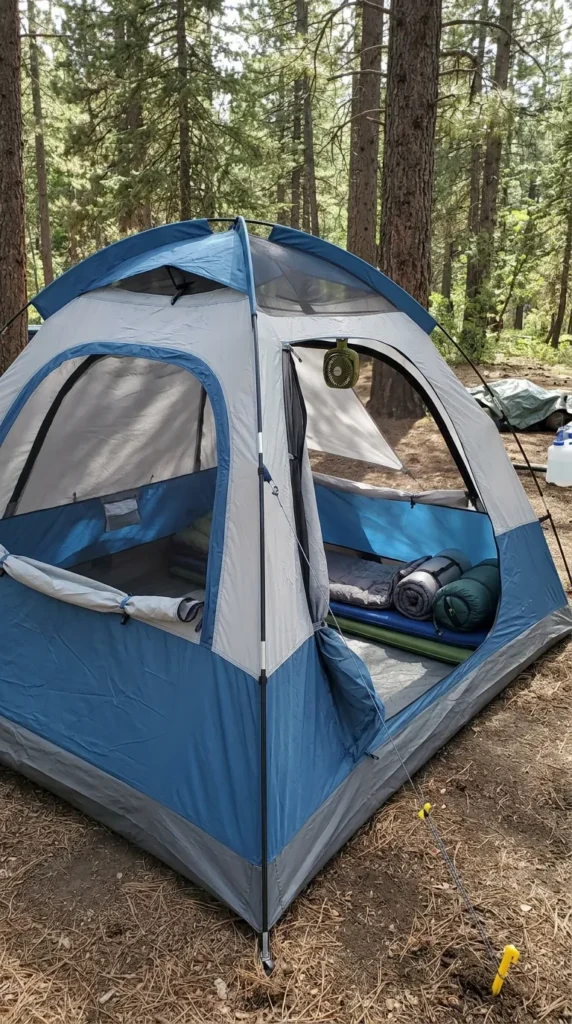
A tent can get very stuffy and damp if there is no fresh air moving through it. I like to position my tent so the windows align with the natural wind.
If there is no breeze, I find that keeping the rainfly propped open just a little bit helps the air circulate. It prevents moisture from building up on the walls. This simple step keeps the air inside feeling fresh and helps you wake up feeling much more refreshed in the morning.
Install Hanging Gear Loops Inside Tent
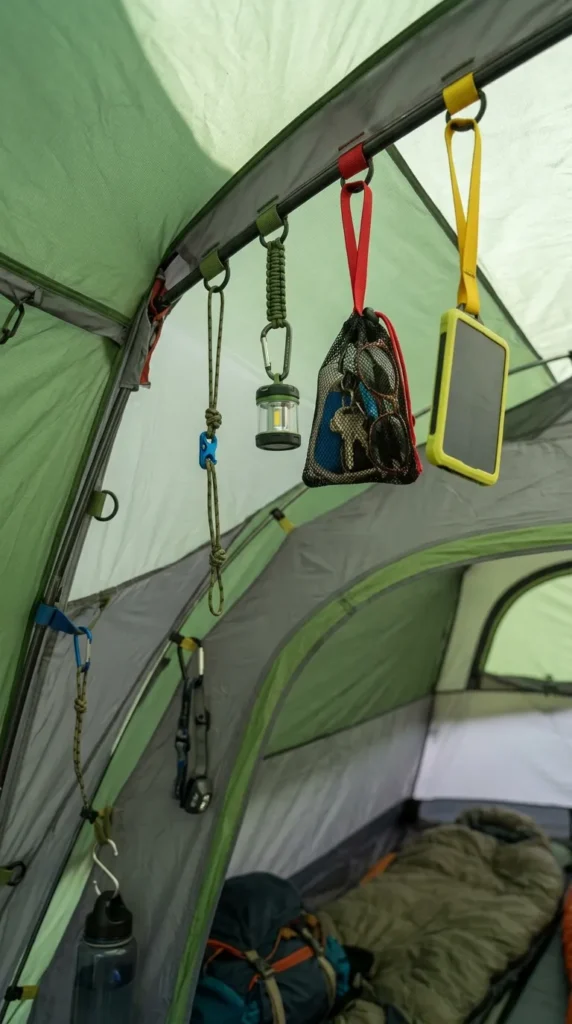
It is very easy to lose your keys or your glasses in the dark corners of a tent. I love sewing or clipping small loops of string to the inner seams of the ceiling.
It gives me a specific place to hang my lantern or my hat. I find that getting things off the floor makes the tent feel much larger and more organized. It is a very practical way to keep your important items safe and right where you can find them.
Use Magnetic Gear Holders for Metal Frames
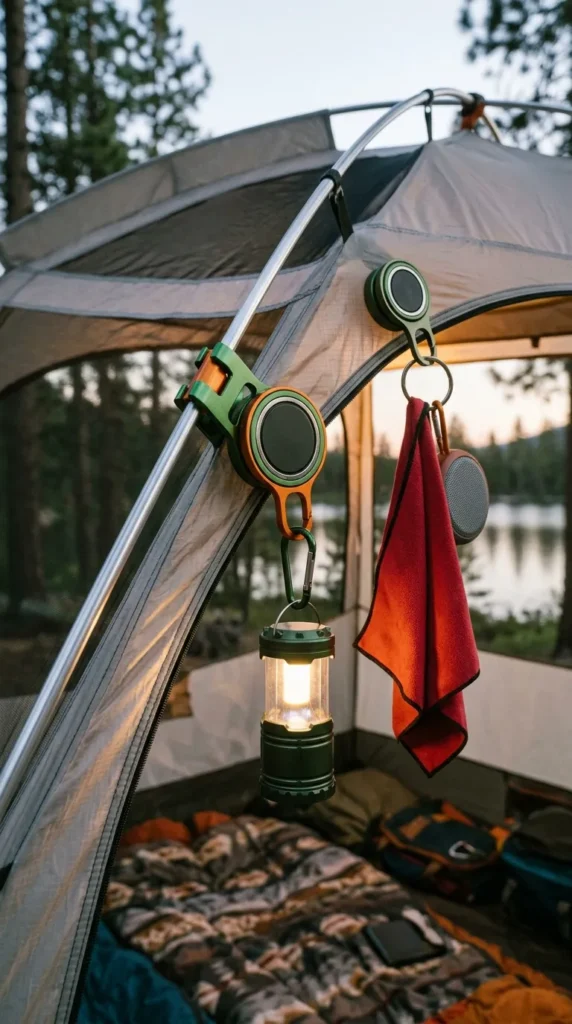
If your tent has a metal frame, magnets are a wonderful secret tool. I like to use small magnetic hooks to hold up my damp towels or my flashlight.
They snap right onto the poles without damaging the fabric. It is a very flexible system because you can move them around whenever you need to. I find that this is a great way to use the empty space along the walls. It helps keep your gear dry and within easy reach at all times.
Heat Retention with Layered Sleeping Pads
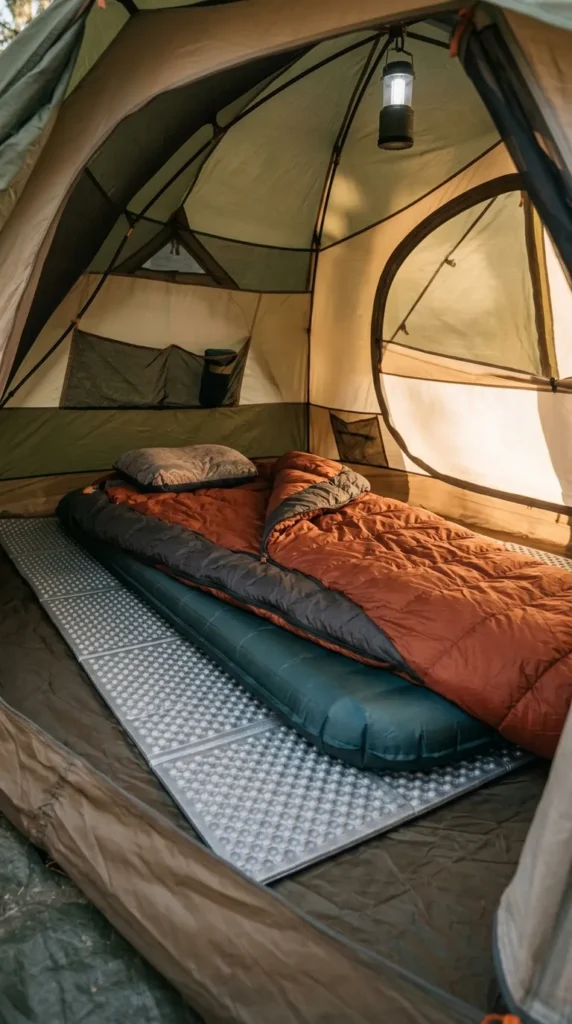
Sleeping on the hard ground is the quickest way to get a sore back. I find that using two different pads works much better than just one.
I like to put a closed-cell foam pad on the bottom and an inflatable pad on top. The foam blocks the cold from the earth, while the air pad provides the soft cushion. This layered system feels almost as good as my bed at home. It is a very reliable way to get a deep and restful sleep.
Shield Tent with Natural Windbreaks
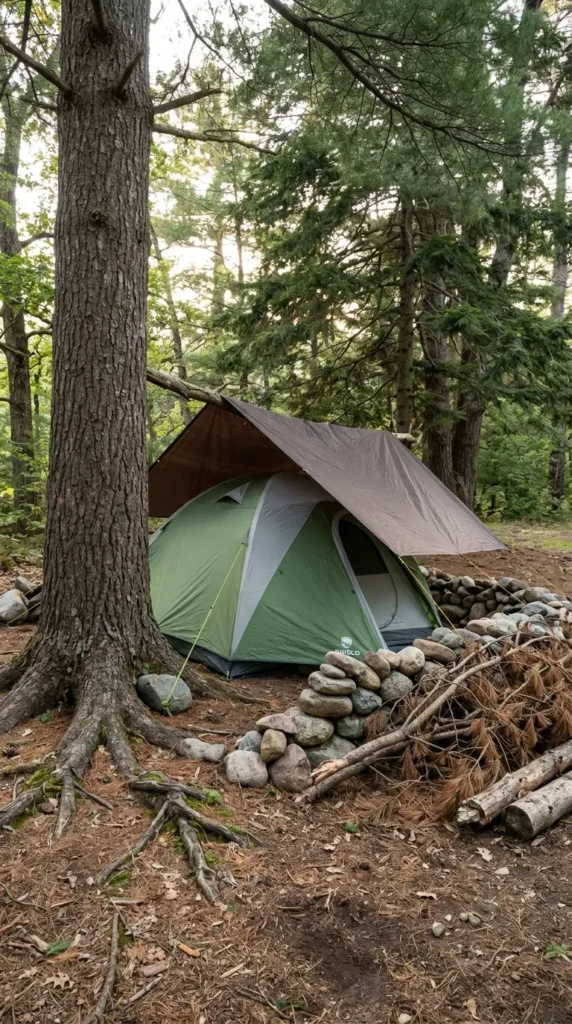
A strong wind can make a tent shake and keep you awake all night. I always look for a spot behind a thick group of bushes or a large fallen log.
These natural barriers block the heaviest gusts and keep your shelter much quieter. I find that it also helps the tent stay warmer because the wind isn’t stripping away the heat. It is a very grounded way to use the landscape to make your camping trip much more peaceful and secure.
Hang Ceiling Nets for Lightweight Storage
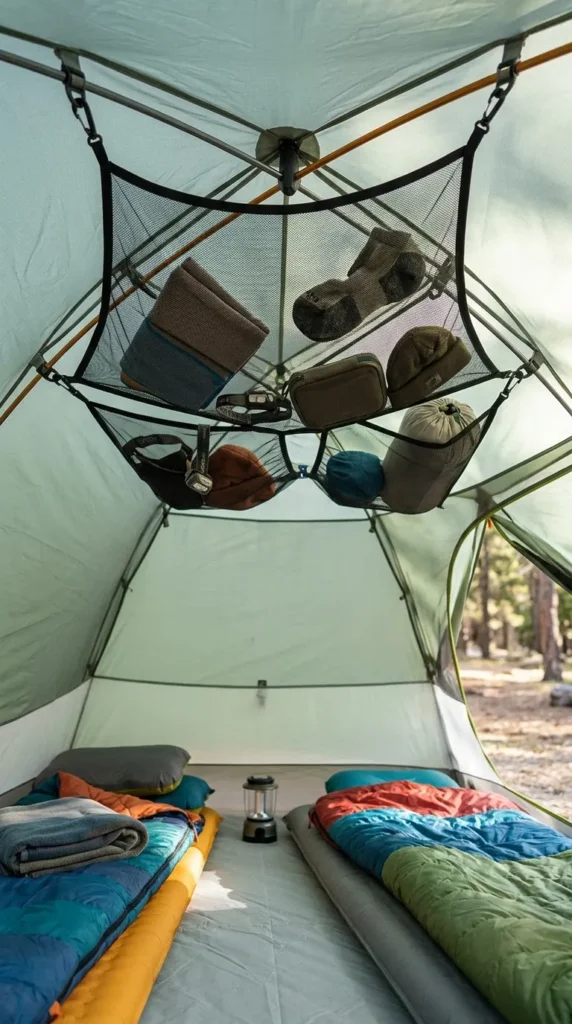
I am a big fan of using the space right above my head for storage. You can buy or make a small mesh net that clips into the top of the tent.
It is the perfect spot for light items like socks, maps, or a deck of cards. It keeps the floor clear so you have more room to stretch out. I find that having my gear organized in a net makes it very easy to grab what I need without having to sit up or crawl around.
Reinforce Tent Seams for Weather Protection
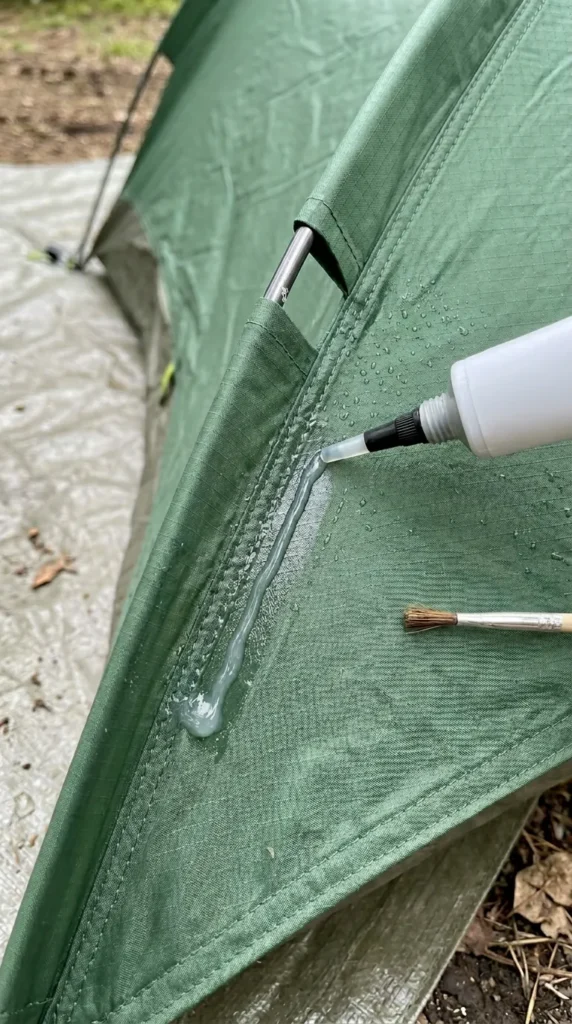
There is nothing worse than a leak in the middle of a rainstorm. I like to spend a little time before my trip applying a seam sealer to all the stitched lines.
It creates a waterproof barrier that keeps the drips out. I find that this small bit of maintenance makes me feel much more confident when I see dark clouds in the sky. It is a very practical way to ensure your sleeping bag stays dry and your trip stays fun even in bad weather.
Design a Compact Cooking Corner Outside Tent
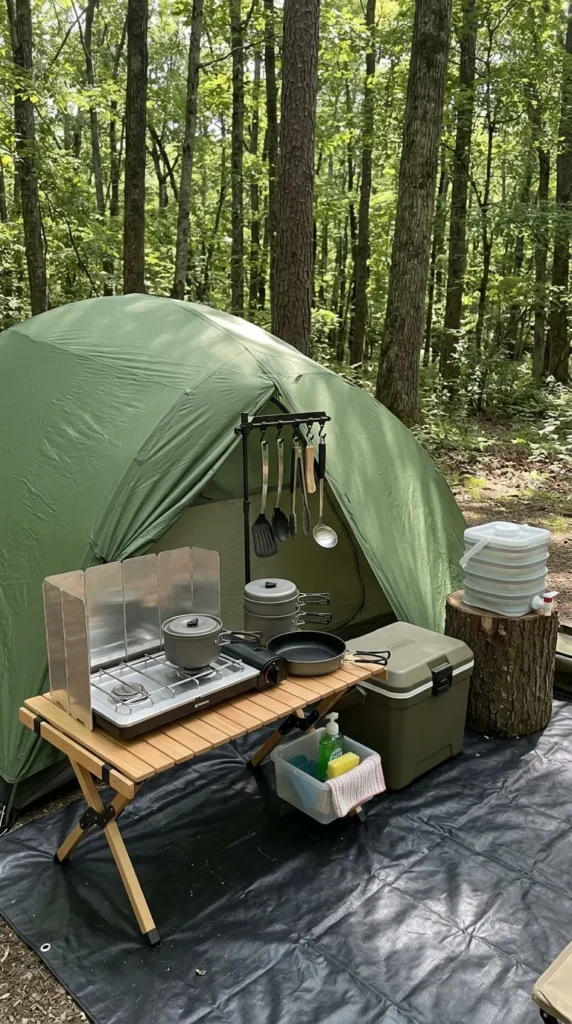
I never cook inside my tent because of the fire risk and the smell, but I like to have a setup nearby. I find that a small flat rock or a sturdy folding stool makes a great kitchen table.
Keeping all your stove gear in one plastic bin makes it easy to move. I like to set this up just a few steps away from the door. It makes making coffee in the morning very simple and keeps your sleeping area feeling clean and separate from your meals.
Use Noise Dampening Fabric Layers
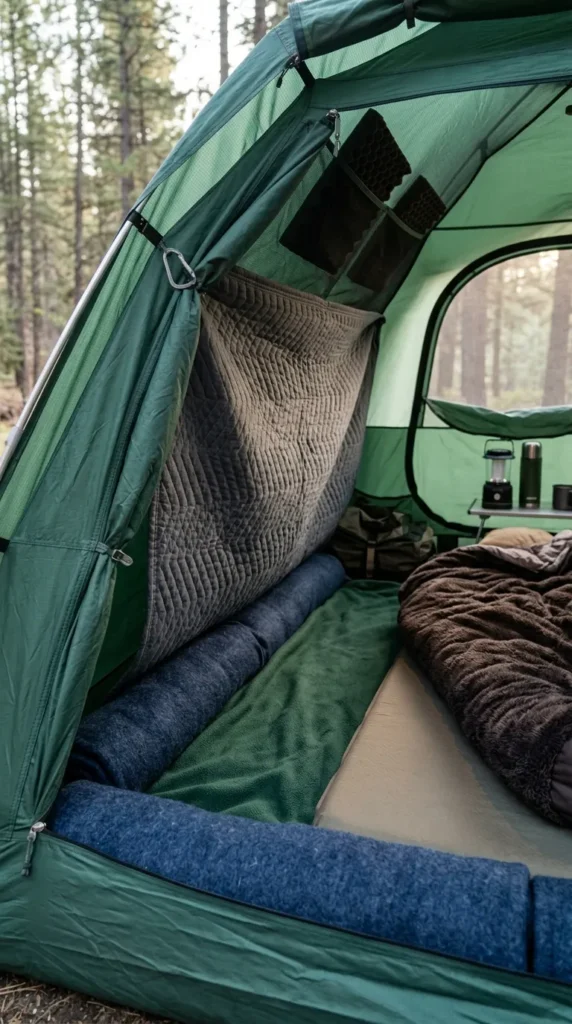
The sound of a rustling tent or nearby campers can be very distracting. I like to hang a heavy fleece blanket over the side of the tent that faces the noise.
The thick fabric helps soak up the sound and makes the inside feel much more private. It also adds a little bit of extra insulation to keep the warmth in. I find that this creates a very quiet and calm environment that helps me fall asleep much faster in a busy campground.
Build a Raised Sleeping Platform
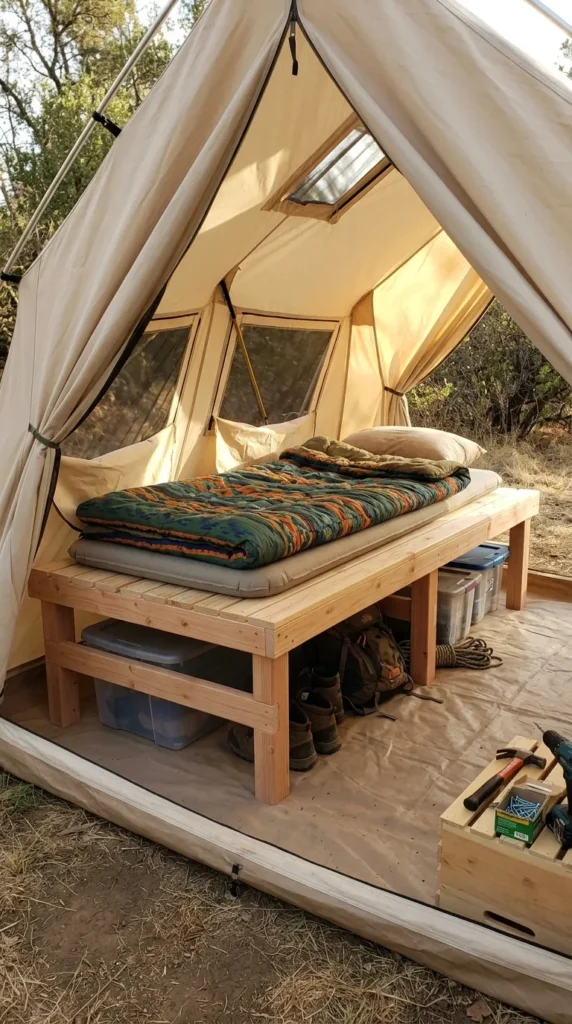
If you are staying in one spot for a long time, building a simple platform out of wooden pallets or logs is a total luxury.
It keeps your tent completely off the cold, damp ground. I find that being elevated makes the tent feel much more like a cabin. It also prevents water from pooling under your floor if it rains heavily. It is a bit of extra work, but the comfort and dryness it provides are absolutely worth the effort for a long stay.